
Getting to Know the Sheep Folds
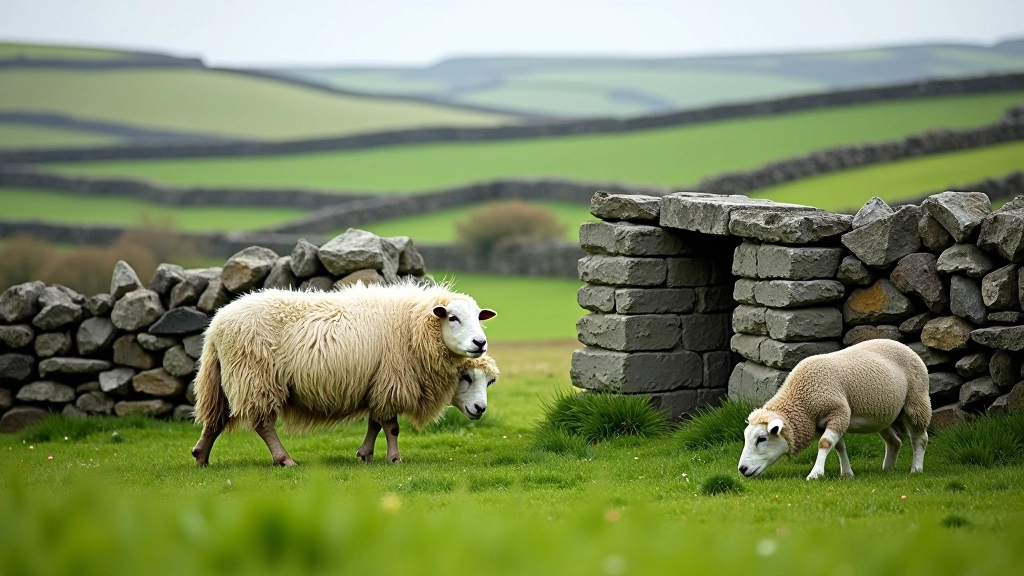
The sheep folds scattered across Inis Mór tell the story of how island life has worked for centuries. These aren't just old stone structures — they're still in use today. Farmers bring their flocks here to gather, sort, and manage their sheep. You'll walk through fields that have been worked the same way for generations, following paths worn smooth by hooves and boots.
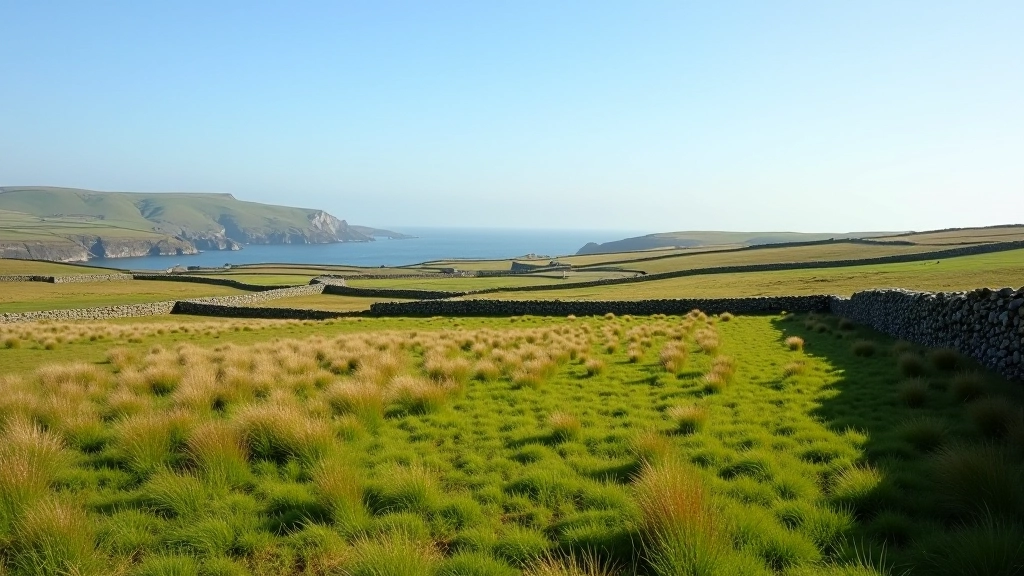
This particular route takes you through the quieter parts of the island, away from the main tourist trails. It's gentle on the legs, mostly level ground, and perfect if you want to understand how islanders actually live and work.
The Route: What to Expect
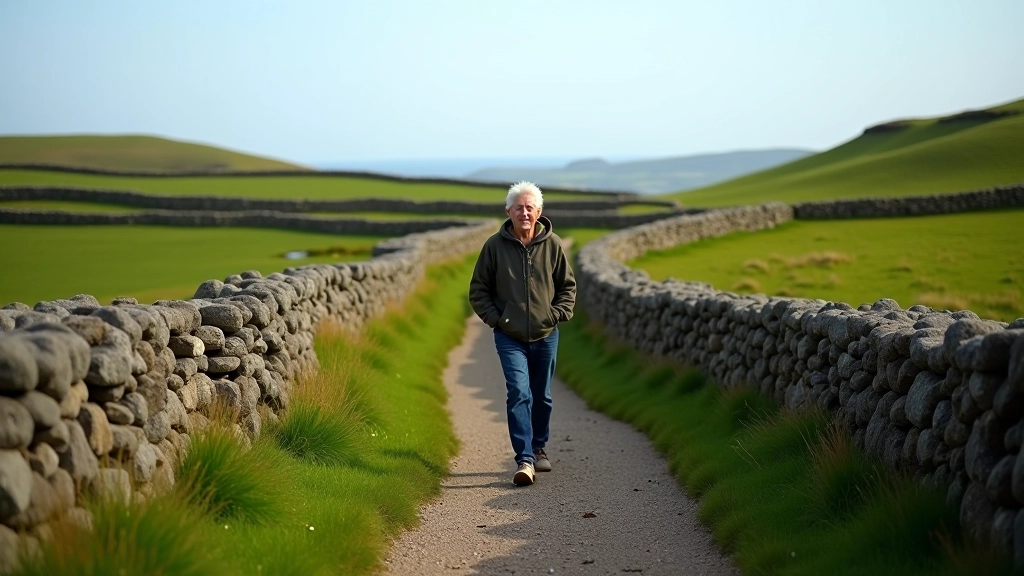
You'll start near the village and head inland, moving gradually toward the western fields. The path isn't paved — it's mostly compacted earth and grass, so wear proper walking shoes. About 45 minutes in, you'll reach the first working sheep fold. Stop here. Watch how the dry stone walls are stacked without mortar, just stones fitted together. It's remarkable engineering.
The whole loop is roughly 4 kilometers. You're not climbing much at all — maybe 50 meters of elevation change over the entire walk. It's the kind of route where you can actually talk to someone without getting breathless, where you can stop whenever something catches your eye.
Key distances: Village to first fold: 45 mins • First fold to second: 35 mins • Return to village: 40 mins • Total time: roughly 2.5 hours at a relaxed pace
Understanding the Sheep Folds
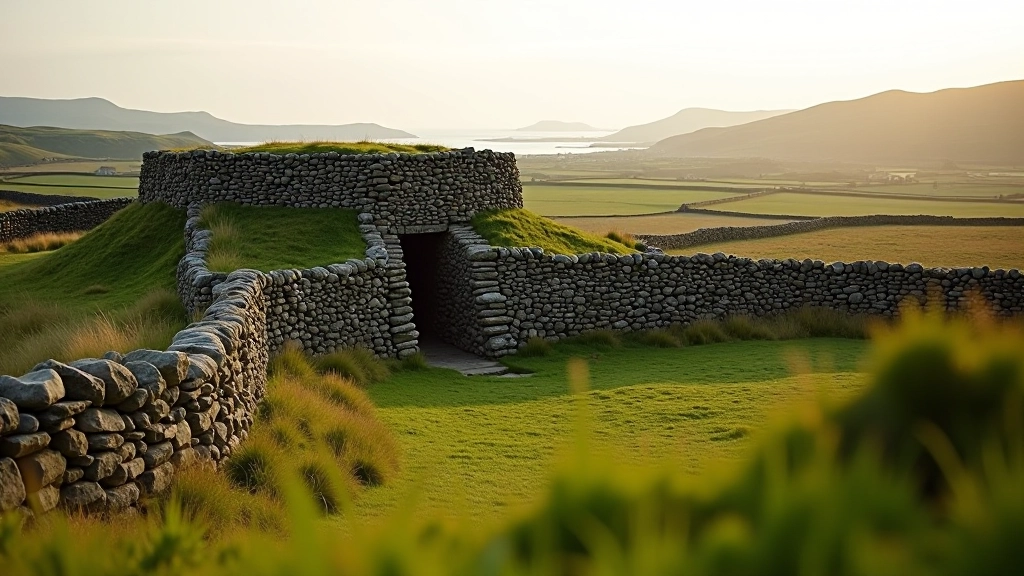
Each fold serves a specific purpose. The main enclosure holds the flock, but there are separate sections for different groups — lambs here, breeding ewes there, rams in another area. Farmers move sheep between sections depending on the season. During spring lambing, certain folds get used more intensively. Come autumn, they're used for sorting animals before selling.
The walls are typically 1.5 to 2 meters high, high enough that sheep can't jump out. But they're not solid — there are intentional gaps where farmers can guide animals through. You'll notice the stones aren't uniform. Islanders use whatever they find locally, fitting each piece to its neighbors. This knowledge — how to read stone and fit it properly — gets passed down through families.
Local sheep here are mostly hardy breeds adapted to island conditions. They're smaller than mainland sheep, with thicker wool suited to the Atlantic weather. You might see some grazing near the folds even when they're not being actively used.
Best Times and Practical Tips
Spring and early summer are ideal for this walk. March through June, you'll see lambs in the fields and activity at the folds. The grass is green, the weather's more stable, and daylight extends well into the evening. If you're visiting in July or August, you'll likely find the route quieter since farmers are managing their flocks differently.
Bring water — there aren't shops or cafes on this route. A small backpack with snacks works well. The ground can get boggy in wet weather, so if it's rained recently, the path might be muddy. Waterproof shoes are worth it.
There are a few spots with benches or dry stone walls you can sit on to rest. Don't rush. The whole point of this walk is to slow down and notice things. Talk to farmers if you see them working. Most are happy to explain what they're doing.
Bring 1-2 liters of water
Waterproof walking shoes
Sun protection in summer
Allow 2.5-3 hours total
Why This Walk Matters
Walking through these fields, you're not just seeing pretty scenery. You're witnessing how island communities have sustained themselves through agriculture and livestock farming. Every stone in these walls represents decision-making, hard work, and knowledge accumulated over centuries.
It's the kind of walk that helps you understand a place properly. You'll come back knowing something real about how Inis Mór actually works. That's worth far more than ticking off a tourist checklist.
Take your time. Stop often. If you're lucky, you might see farmers working with their flocks. That's when you get the real story — not from a guidebook, but from watching people do work they've been doing their whole lives.
Information Disclaimer: This guide is designed for educational purposes to help you plan a walking route on Inis Mór. Conditions can vary by season, weather, and current farming activities. Always check local weather forecasts before heading out. Walking surfaces can be muddy or uneven after rain. If you have mobility concerns or health conditions, consider consulting with a healthcare professional before undertaking any walking route. This information reflects conditions as of July 2026 and may change. Local knowledge from village residents or your accommodation provider is always valuable.