
What You'll Discover
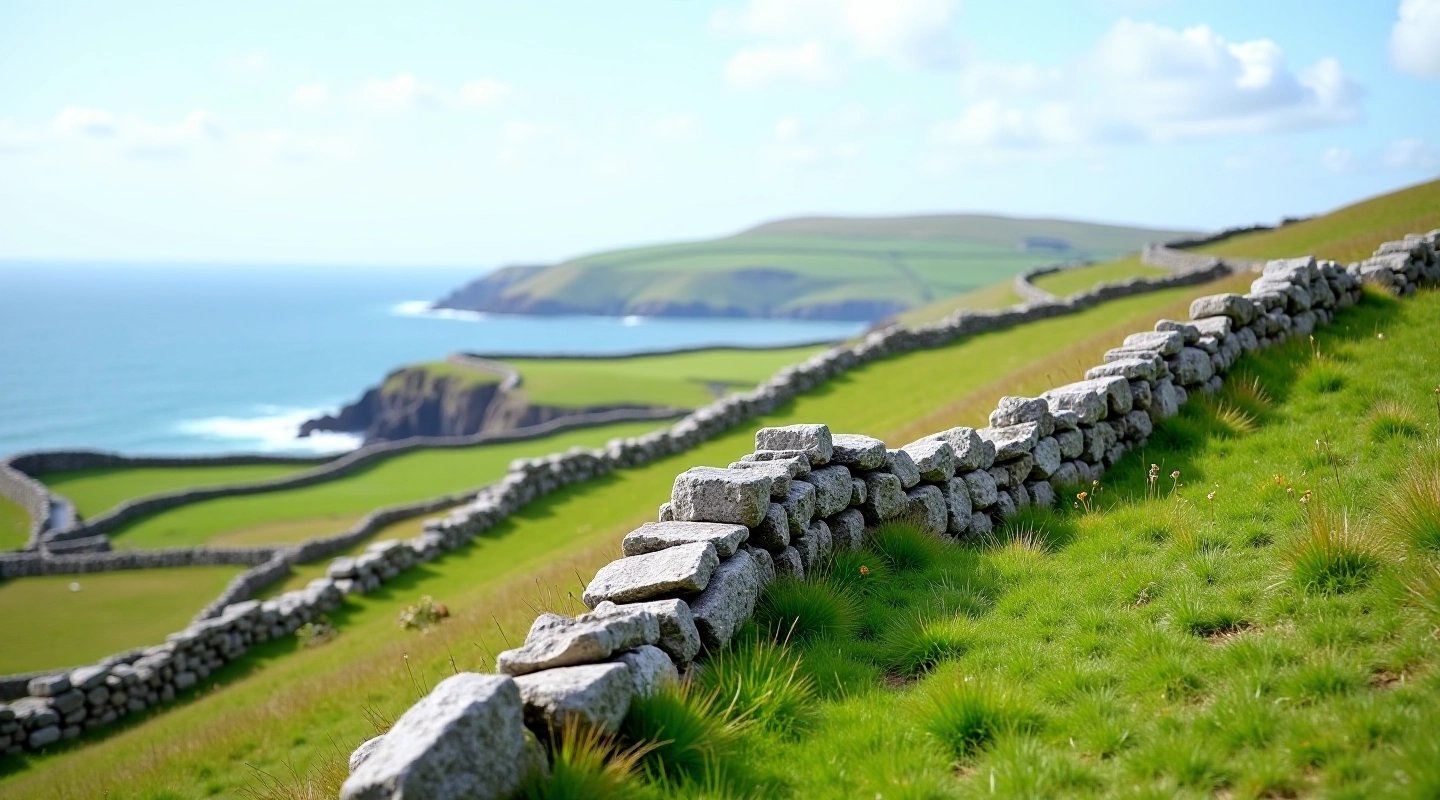
The dry stone walls of Inis Mór aren't just boundaries. They're living history, built over centuries without a drop of mortar. Walking this route, you'll see how islanders shaped the landscape—literally stacking stones to create fields, shelter, and pathways.
This walk takes about 2 hours and covers roughly 5 kilometres. It's gentle, mostly flat, and follows established paths between villages. You're not scrambling over rocks or navigating rough terrain. Instead, you'll wander through the quiet heart of the island, past traditional cottages, grazing sheep, and those remarkable walls.
The best part? You'll understand why these walls matter. Every stone tells something about how people lived here—how they adapted to rocky, windswept terrain and built something that's lasted hundreds of years.
The Route: Step by Step
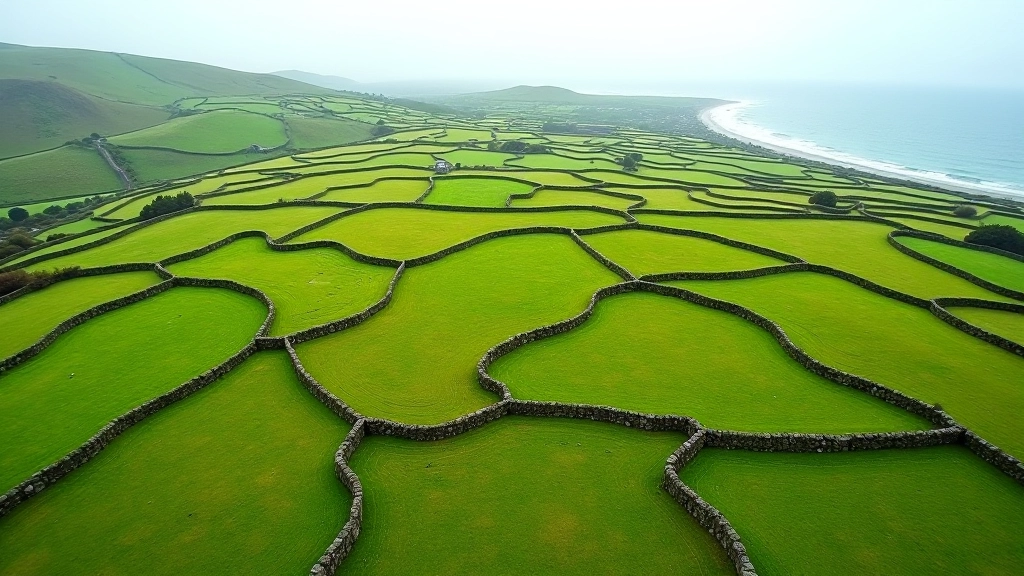
Start at Killeany village, near the harbour. From there, head northwest toward the church—you'll notice the walls immediately. They're everywhere, running in all directions, some taller than your head, others just knee-high.
The path takes you through a few working fields. Sheep graze here, so don't be surprised to see them up close. They're used to visitors. The walls protect them from Atlantic winds that'd otherwise tear across the island unobstructed.
About halfway through, you'll reach a high point with views in three directions. The ocean surrounds you—you can see all the way to Connemara on clear days. There's usually a bench here if you need to rest.
The final section loops back toward the village, passing traditional stone cottages (some still lived in, others restored as holiday homes). You'll end up near where you started, having seen maybe thirty different wall sections and gotten a real sense of how the island's been organized for generations.
Why These Walls Matter
Built by Hand
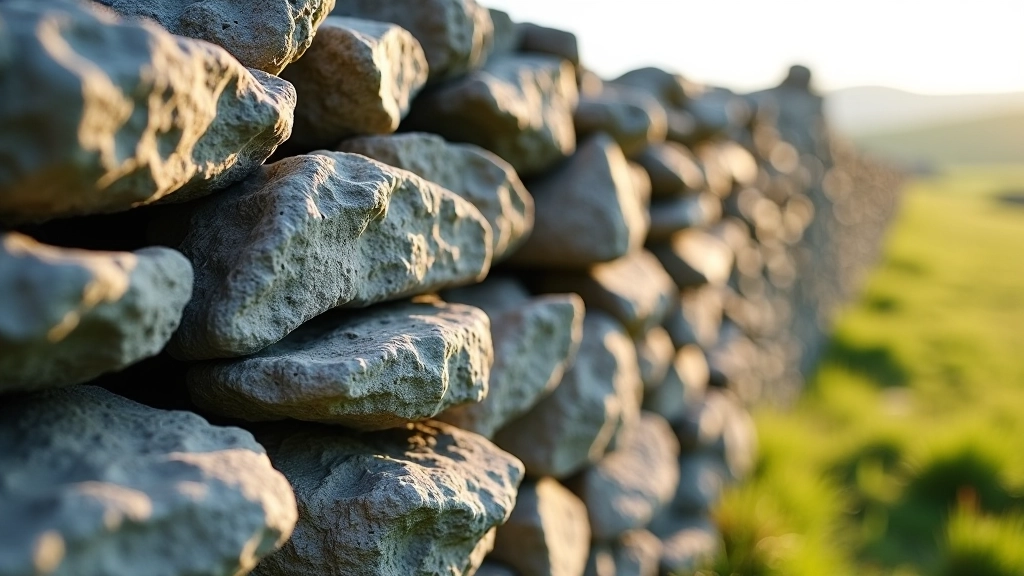
Every stone was selected, placed, and balanced. Builders developed a real eye for which rocks fit where. It's a skill that took years to learn properly.
Wind Protection
The Atlantic wind here can be brutal. These walls break the force, letting fields stay productive and giving sheep somewhere to shelter during storms.
Generations Old
Some walls date back 300+ years. They've been maintained, rebuilt, extended. They're proof of how communities care for what they inherit.
Natural Materials
No concrete, no mortar, no machinery. Just limestone that was already on the island. The whole landscape is built from itself.
Practical Details for Your Walk
The walk works best in dry conditions, though the paths handle light rain fine. Wear sturdy shoes—not trainers. The ground can be uneven, with hidden rocks, and you'll want proper grip. Waterproof jacket is smart, especially in spring or autumn.
Bring water. There's not much shelter on the route, so the sun (or lack thereof) can catch you off guard. A small snack helps too. If you're walking with someone slower, budget three hours instead of two.
Start early. Morning light on the walls is beautiful, and you'll have the paths mostly to yourself. Plus, if you need to turn back for any reason, you'll have daylight.
The route's suitable for most fitness levels. You're not climbing mountains, but there are slight inclines and uneven terrain. If walking 5 kilometres feels like too much, you can do just the first loop (2.5 kilometres) and still see plenty of walls.
Reading the Walls
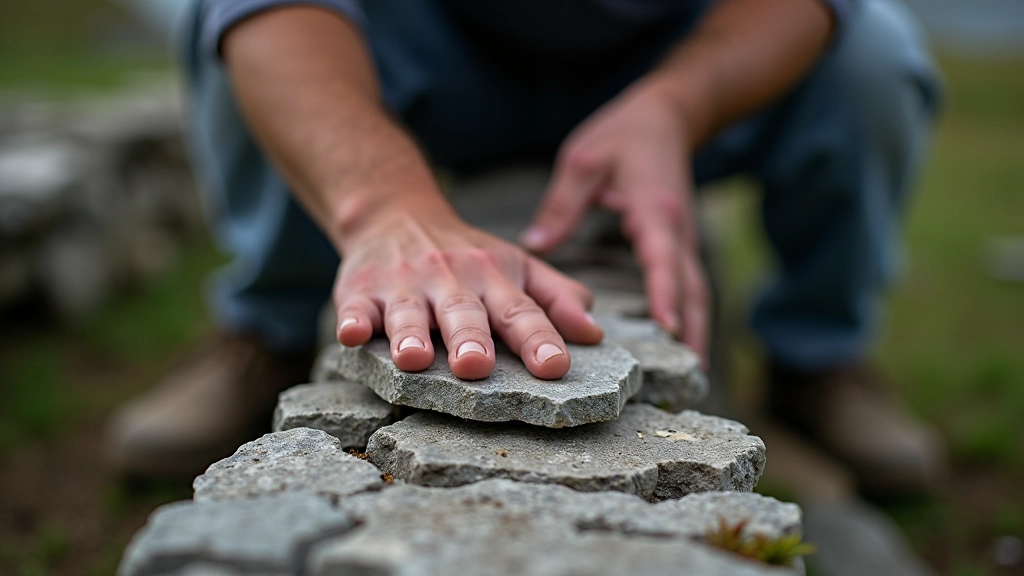
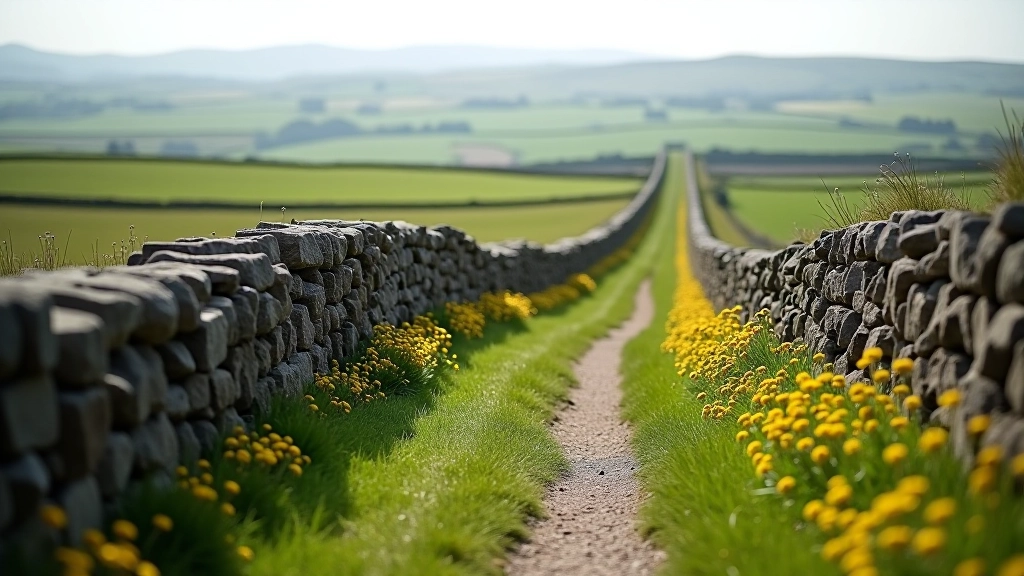
Once you start looking, you'll notice the walls aren't all the same. Some are nearly four feet tall—those usually mark important boundaries between properties or protect valuable fields. Others are waist-high or lower, just enough to keep sheep from wandering.
The best walls have what builders call "through stones"—long rocks that run completely through the wall, binding it together. This stops it from collapsing sideways. Look for gaps between rocks: the builder left them on purpose. They let wind pass through instead of pushing against the wall like a solid barrier.
You'll see patches where stone's newer or older. That's repair work, sometimes from fifty years ago, sometimes from five. The walls are living things, maintained by people who understand they're worth preserving. A collapsed section might be fixed within months, or left as is if it's on private land.
Moss and lichen grow thick on many walls. Don't pick it off—it's part of the story, and removing it damages the stone underneath. The green you see is centuries of weather and life.
Why This Walk Matters
Walking among Inis Mór's dry stone walls isn't just sightseeing. You're witnessing something real—the physical evidence of how people built lives on a small, rocky island. Every stone represents a decision, an effort, a connection to the land.
You don't need to be an expert to appreciate them. Just walk slowly, pay attention, and let yourself notice the patterns. The walls tell stories about resilience, craft, and community. They're still here because people care for them. That's worth understanding.
This route suits walkers of most abilities. The pace is relaxed, the views are genuine, and you'll come away understanding something real about Aran Islands life—both past and present.
Walking Information
This guide is informational and based on general conditions. Weather, accessibility, and ground conditions can change. Always check current conditions before walking, wear appropriate footwear, bring water, and consider your own fitness level. If you have mobility concerns, start with shorter sections and adjust as needed. The route crosses some private land—respect farm boundaries and close gates behind you.