
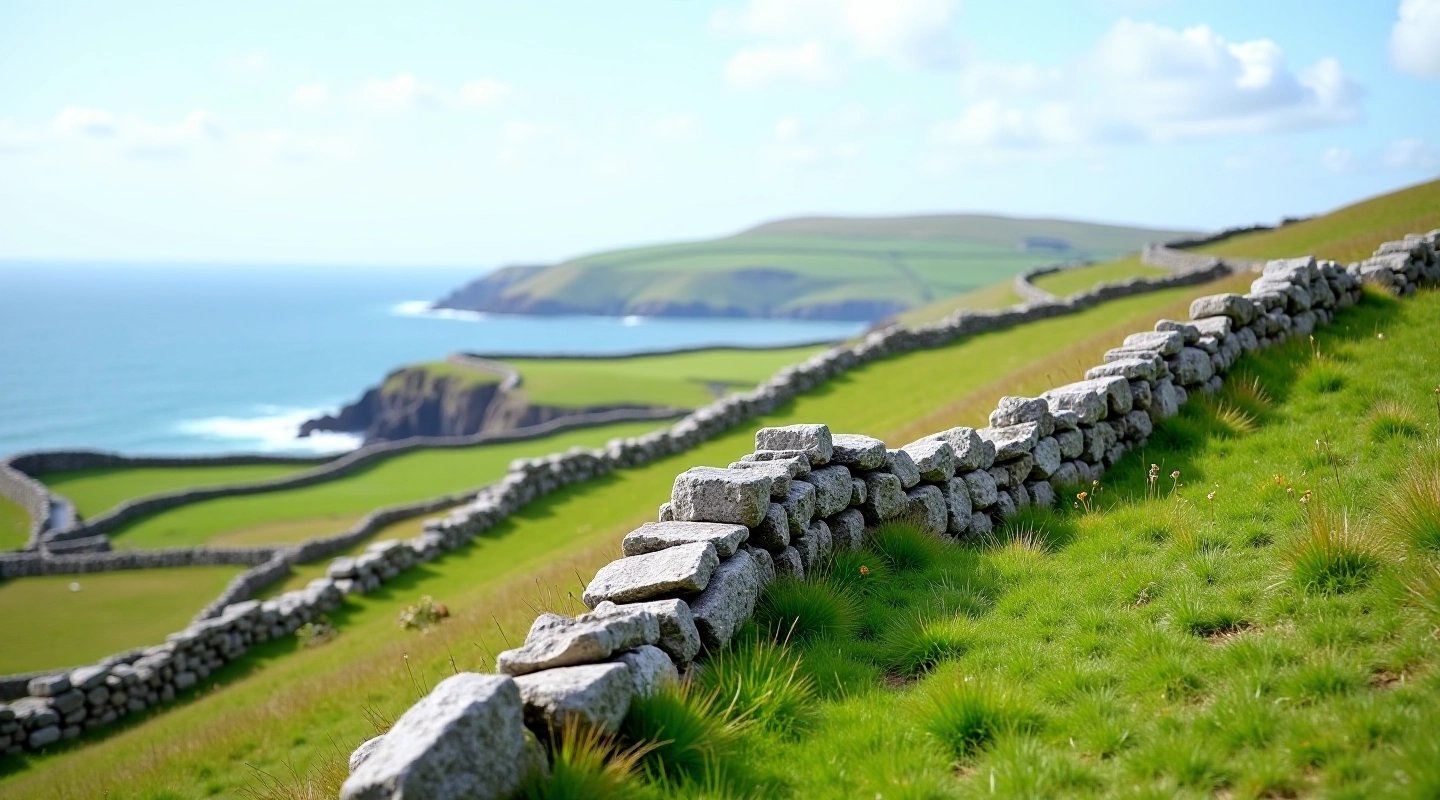
Walking the Dry Stone Walls of Inis Mór
A gentle 2-hour route following the historic stone walls that divide the island's fields.
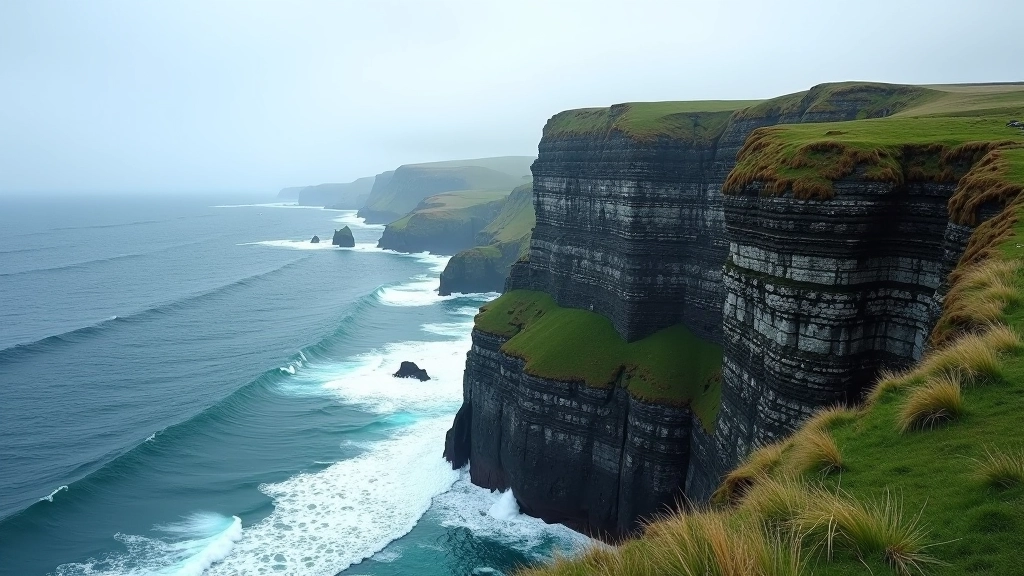
Follow the northern coastline for spectacular Atlantic views and dramatic cliff formations. The path is mostly level with gentle grades and includes protected rest areas for taking in the scenery.
Editorial Team
Written by the Aran Islands Editorial Team, focused on clear, practical guidance for accessible island walks.
This isn't a strenuous hike, and that's exactly the point. The Inis Mór cliff edge walk runs roughly 5 kilometers along the northern coast, taking about two to two-and-a-half hours at a comfortable pace. You'll start from the village center and gradually climb toward the cliffs, but the grades stay gentle enough that most walkers in reasonable health manage it without difficulty.
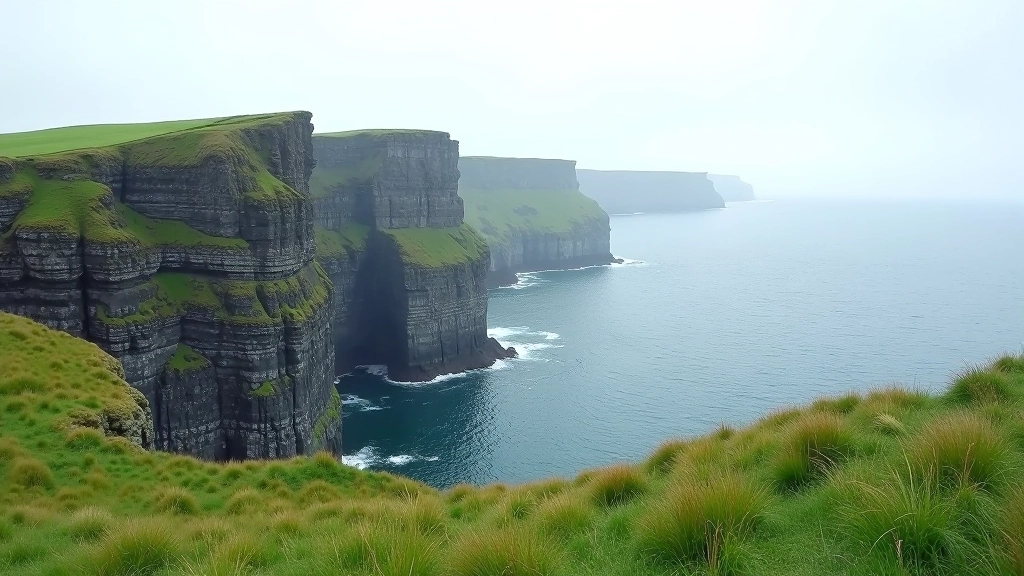
The path follows established trails with clear sightlines. There's something special about moving along terrain where you can see the Atlantic stretching endlessly ahead. The cliffs themselves rise between 80 and 100 meters at their highest points, creating that dramatic framing you came here to experience.
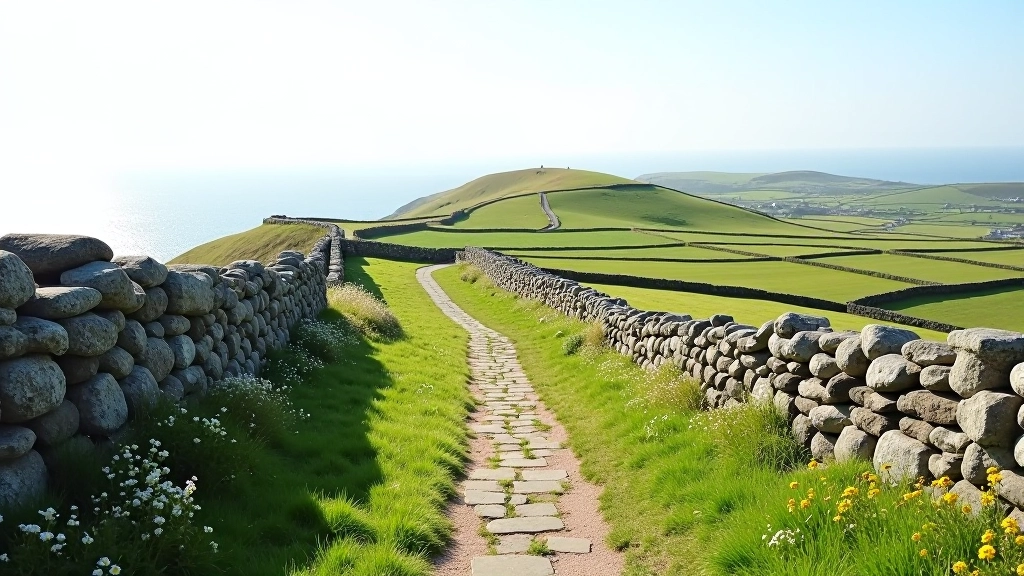
You'll begin near the community center in the main village. There's adequate parking, and the trailhead is clearly marked with a small sign. If you're arriving by ferry, it's roughly a 10-minute walk from the dock. The path starts on paved ground before transitioning to well-maintained gravel and dirt trails within the first 15 minutes.
We'd recommend starting your walk in the morning. The light hits differently earlier in the day, and you'll have the cliffs basically to yourself for at least the first hour. Plus, weather on the islands can shift quickly. Starting early gives you a better buffer if conditions change.
The first section follows a stone wall for about 1.5 kilometers. The surface here is mostly compacted earth with some gravel — solid footing, nothing technical. You'll notice the terrain opens up gradually, and you start seeing the Atlantic properly around the 20-minute mark.
Three distinct rest areas are positioned along the route with small benches and stone shelters. They're not fancy, but they're functional. The first one sits about 40 minutes in, with views already pretty impressive at that point. Many people stop here, grab some water, and sit for 10-15 minutes just watching the waves.
The final section actually moves slightly inland from the cliff edge itself — this is intentional. Safety barriers aren't really a thing here, and the council designed the route to give you the experience without putting you right at the crumbling edge. You're never far from the vista though. The wind picks up noticeably in the final kilometer, so that's worth knowing if you're sensitive to exposure.
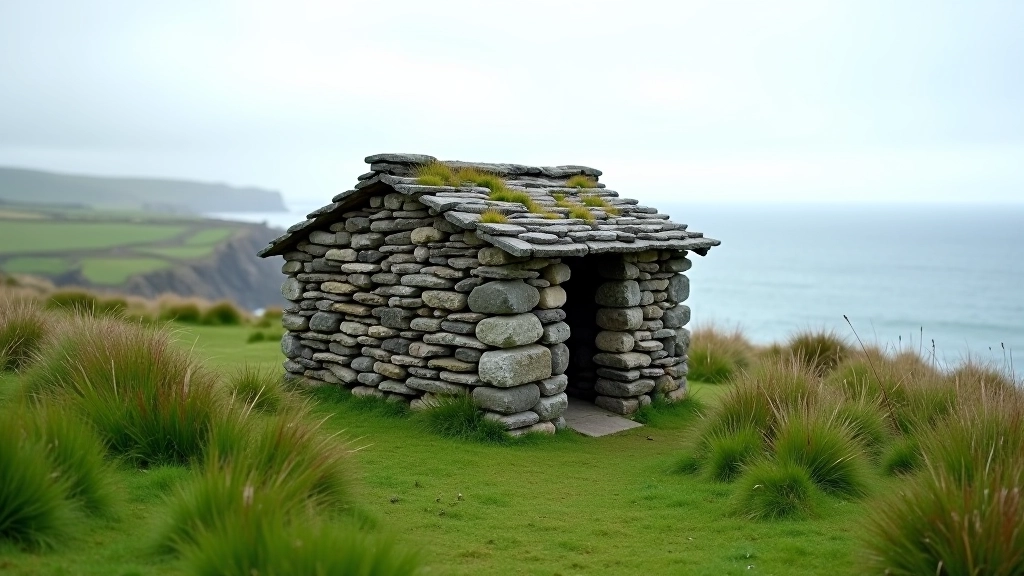
Bring at least 1 liter of water. There are no shops or fountains along the route. A light snack — banana, energy bar, sandwich — makes the rest stops actually enjoyable rather than just functional breaks.
Wind is the main thing. Even on calm days, it's windier on the cliffs than in the village. Bring a lightweight jacket. If it's actually windy that day, a proper windproof layer matters. Rain gear too — Irish weather doesn't always announce itself.
Hiking boots or sturdy walking shoes with good grip. The terrain isn't technical, but it's uneven in places, and damp earth can get slippery. Trainers work if they've got proper tread, but boots honestly make a difference on this route.
You'll want to capture this. The light changes constantly, and different sections have completely different vibes. Bring something to photograph — even phone photos do the landscape justice on a clear day.
Spring (April-May) and autumn (September-October) are genuinely the best times. Summer crowds are real — July and August see enough foot traffic that the experience feels less peaceful. Winter works if you're hardy, but daylight hours are short and weather is unpredictable. That said, there's something raw and beautiful about the cliffs in winter if you catch a clear day.
Spring brings wildflowers along the path — nothing garden-like, just wild blooms scattered through the grass. Autumn has that golden light that photographers love. Both seasons have mild temperatures and reasonable daylight. Neither is peak tourist season, so you're not queuing for photos at the good spots.
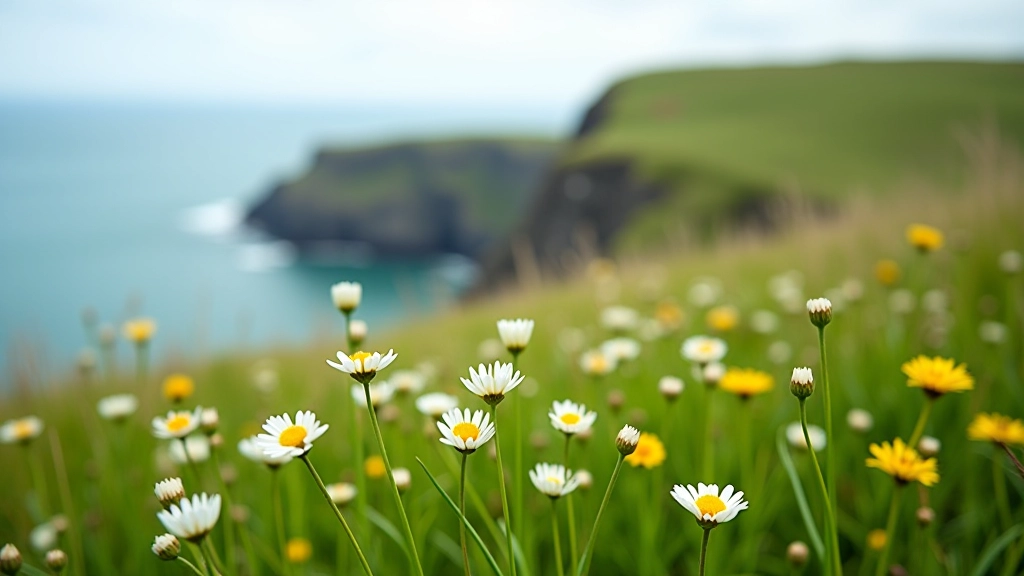
The Inis Mór cliff edge walk isn't extreme, and that's precisely why it works. You don't need to be an experienced hiker. You don't need specialized gear. You just need reasonable fitness and a willingness to spend a couple of hours walking slowly alongside something genuinely magnificent.
The Atlantic does something to you when you're standing above it like this. The scale is humbling without being intimidating. It's the kind of walk where you come back to the village afterward and find yourself quieter than usual — not sad quiet, just reflective. That's the real thing you're getting here. The views are spectacular, yes. But the space to think, to breathe, to just exist in a landscape for a couple of hours — that's what makes it genuinely worthwhile.
This guide provides educational information about the Inis Mór cliff edge walk for general reference. Conditions, access, and safety considerations can change seasonally and without notice. Always check current weather forecasts before heading out, and verify trail access with local authorities or tourism offices before your visit. Walkers proceed at their own risk. The route involves coastal terrain with uneven surfaces and proximity to cliff edges. Appropriate footwear, fitness level, and caution are essential. This guide isn't a substitute for professional advice or local expertise — speak with local guides if you have specific questions about safety or accessibility.
A gentle 2-hour route following the historic stone walls that divide the island's fields.
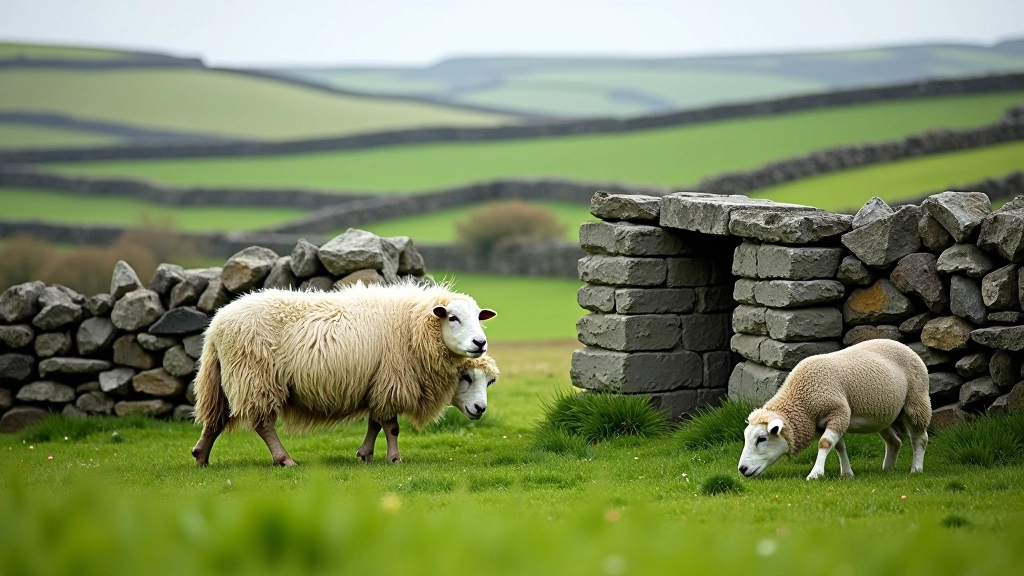
Visit working sheep folds and learn about traditional pastoral farming on the islands.
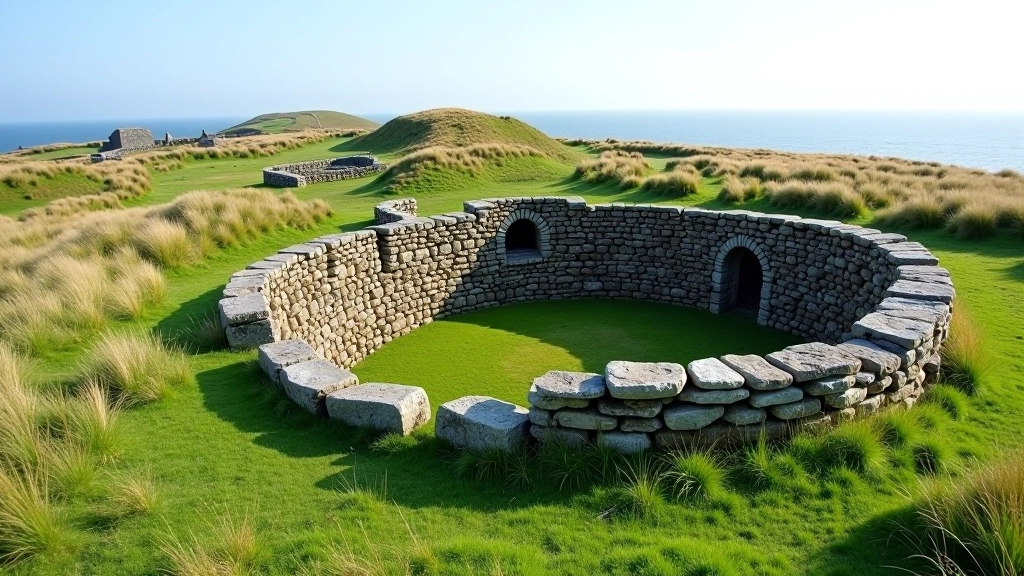
Visit one of Ireland's oldest forts perched on a hillside with sweeping coastal vistas.