
Getting to Know Dún Dúchathair
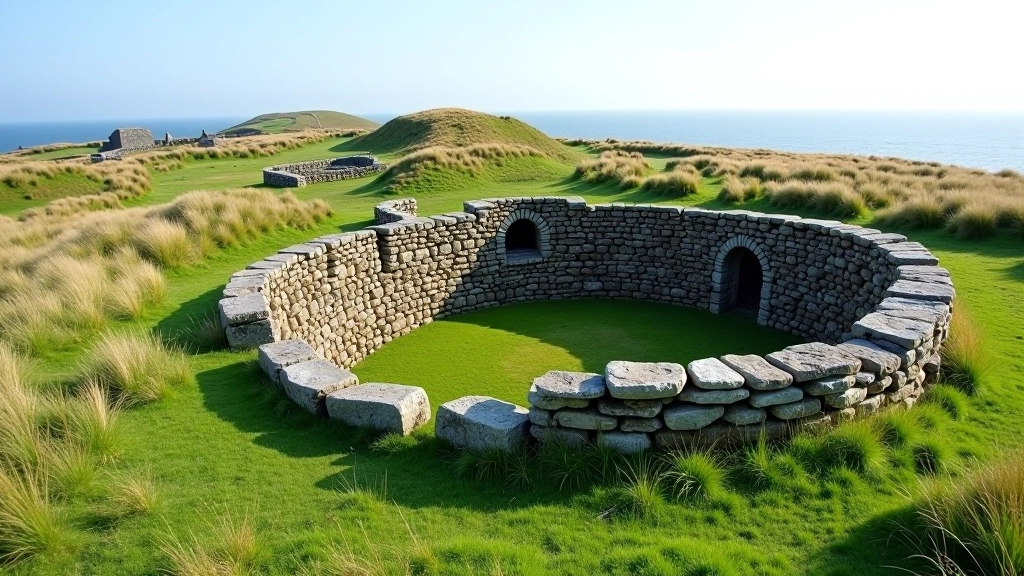
Dún Dúchathair isn't your typical tourist spot. It's a genuine Iron Age fort — we're talking around 2,000 years old — sitting on a hilltop in the western part of Inis Mór. The name means "black fort" in Irish, and when you see the dark stone walls against the sky, you'll understand why. What makes this walk special isn't just the fort itself. It's the journey there, the views you get along the way, and the chance to actually stand where people stood centuries ago.
The walk combines gentle terrain with enough elevation to feel rewarding. You're not tackling anything steep, but there's definitely an uphill section near the end. The good news? Benches are dotted along the route. They're there for a reason — this trail was designed with everyone in mind. Take your time. Stop when you need to. The fort isn't going anywhere.
The Route: Start to Finish
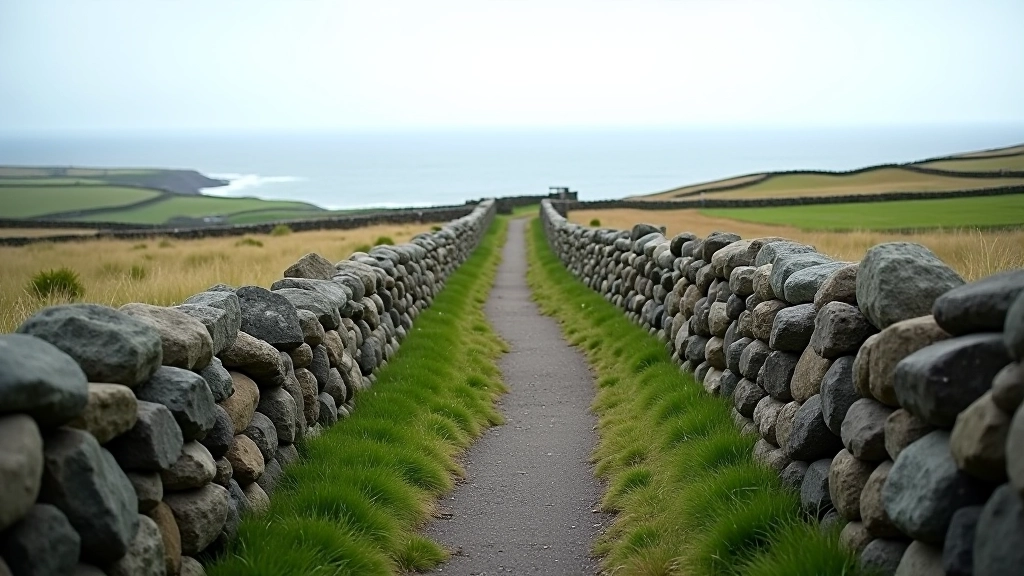
You'll start near the village center on Inis Mór — easy enough to find, and parking's straightforward. The first part of the walk is flat. Really flat. You're walking through working farmland with traditional stone walls on either side. These walls are more than just boundaries. They're part of the island's story. Families have maintained them for generations. On a clear day, you'll see across to the other islands — Inis Meáin and Inis Oírr — stretching out to the west.
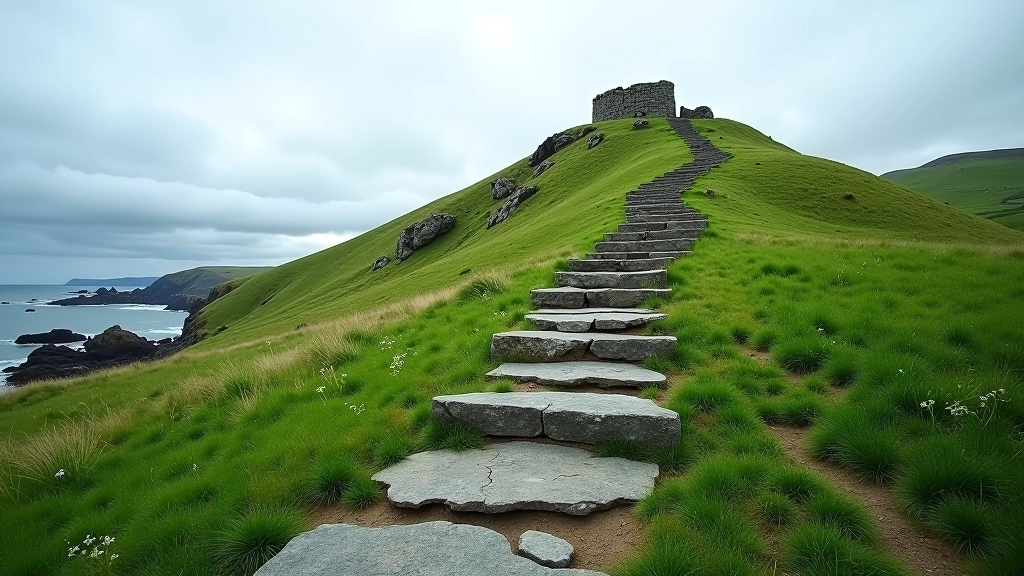
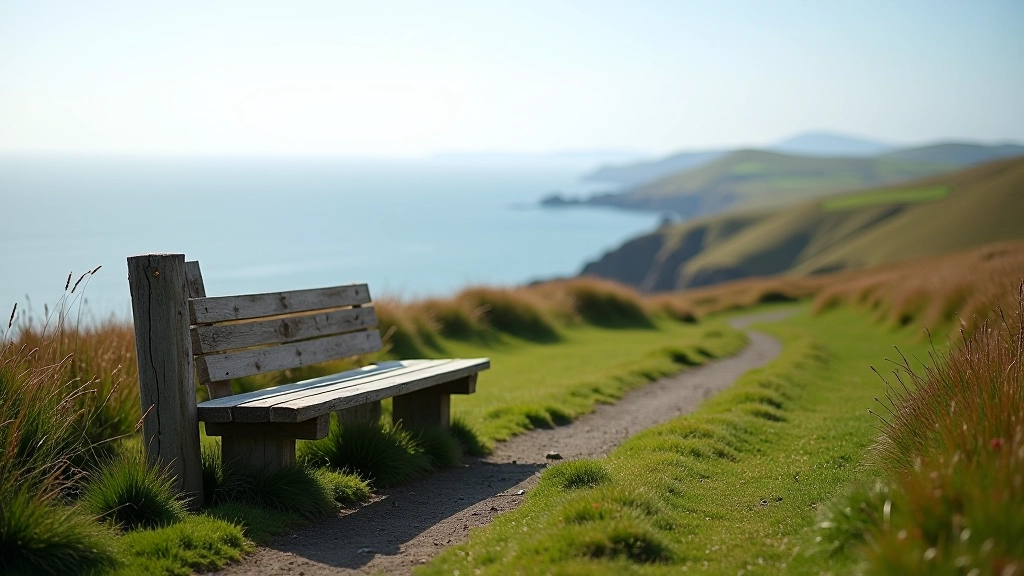
Around the 20-minute mark, the terrain starts changing. It's gradual — nothing sudden. The path gets a bit narrower and begins climbing. This is where those benches come in handy. There's one about halfway up the incline. It's a good spot to catch your breath and take in the views behind you. The whole ascent takes maybe 15-20 minutes depending on your pace. No rushing. The fort's been waiting 2,000 years — it can wait a few more minutes while you rest.
The Fort Itself: What You'll See
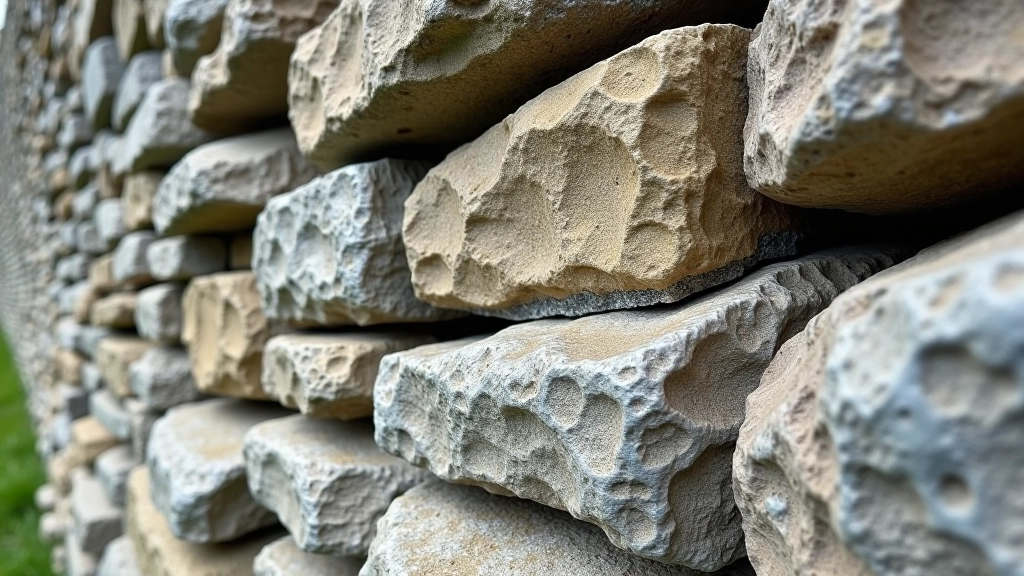
When you reach the top, you're standing inside what remains of the fort. The walls are impressive — dry stone construction, meaning they were built without mortar. Just stone balanced on stone. The main wall runs roughly in a circle, enclosing an area where people actually lived. Archaeologists reckon this place was home to maybe 20-30 families at its height. Can you imagine? Kids playing in that enclosed space, animals being kept safe from raiders, smoke from cooking fires rising into the sky.
The walls still stand at places — over 7 meters high in some spots. That's higher than most people can reach if they stretch their arms up. The stonework shows real skill. Gaps between stones are minimal. The whole structure was designed to defend the community inside. Today, it's designed to take your breath away. And not just from the climb.
The Views: Why You Really Came Here
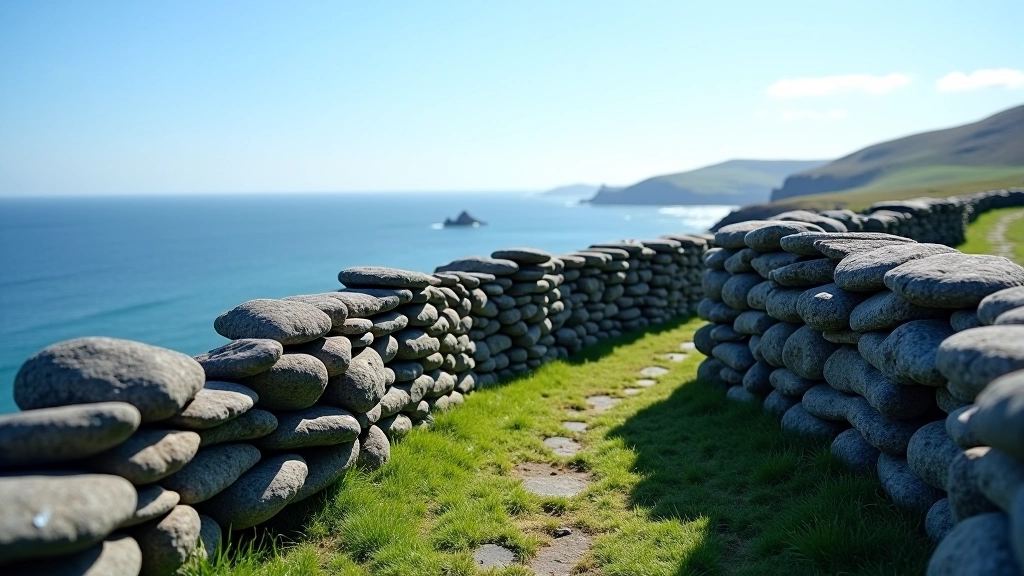
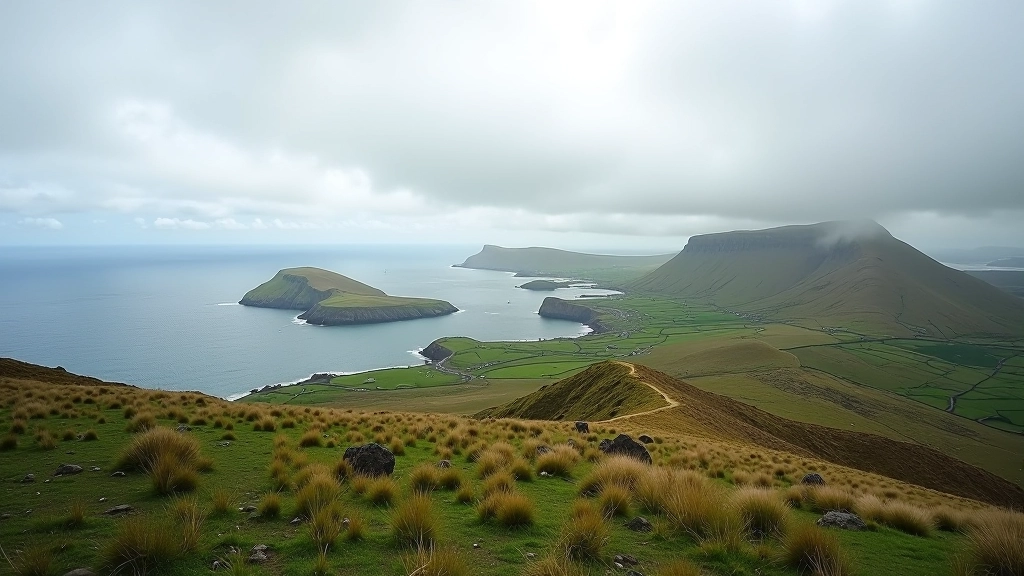
Honestly? The views are why you'll remember this walk. From inside the fort, you're looking out across the Atlantic. On clear days — and the Aran Islands get plenty of them — you can see all the way to Connemara on the mainland. That's roughly 40 kilometers away. Below you, the island drops away to dramatic cliffs. The water's a different shade of blue when you're up here. Everything feels bigger.
You'll see the other two islands clearly. You might spot boats. If it's summer, there'll be other visitors, but it never feels crowded up here. The space is too big for that. People naturally spread out. There's room to just sit, be quiet, and take it all in. The benches inside the fort are perfect for this. Bring a packed lunch. You won't find a better lunch spot on the island.
Practical Information for Your Visit
The walk is roughly 4 kilometers round trip. That includes the time spent at the fort — don't rush through it. Most people spend 45 minutes to an hour on top. Wearing proper walking shoes is essential. The paths are uneven in places. Stone surfaces can be slippery if it's wet. We're talking actual Ireland weather here — it can change fast. Bring a light waterproof jacket even if the forecast looks perfect.
There's no café at the fort. No facilities. Bring water — at least a liter per person. The sun reflects off the stone in summer, so sun protection matters. A hat's smart. The walk's accessible for most fitness levels, but the uphill section requires a moderate level of fitness. If you're managing a gentle walk on flat ground comfortably, you'll manage this. If stairs at home feel challenging, this might be pushing it.
A Bit of History (Without the Boring Bits)
Dún Dúchathair dates back to the Iron Age — somewhere between 100 BCE and 800 CE, though pinning down exactly when is tricky. What we know is that people chose this spot deliberately. It's defensible. The views let you see trouble coming. The stone's good for building. Water's accessible. Everything a prehistoric community needed. The fort was likely a stronghold for a local clan or chief. Status symbol, defensive position, and home all rolled into one.
The stone walls you see today were built to last. And they have. Two thousand years is a long time. Storms, frost, rain — the island's weather hasn't been kind. Yet the walls remain. That's testament to the engineering. No fancy tools. No concrete. Just understanding how stone fits with stone, how to angle walls to shed water, how to make something that survives centuries.
Why This Walk Matters
The Dún Dúchathair walk isn't just about exercise. It's about connection. You're walking paths that have been walked for generations. You're standing where people stood two thousand years ago. The views are stunning, sure. The history is fascinating. But what sticks with you is the sense of place. This specific spot. This particular combination of landscape, sky, and stone that you won't find anywhere else.
Come for the fort. Stay for the views. Leave with a deeper appreciation for how people adapted to island life, how they built things that lasted, and how beautiful remote places can be. It's not a difficult walk. It's not extreme. It's just a good, honest route that rewards effort with perspective. Bring someone. Bring water. Bring time. You won't regret it.
About This Guide
This guide is intended as informational content to help readers understand walking routes in the Aran Islands. While we've aimed for accuracy, conditions change seasonally. Weather can shift rapidly on the islands. Individual fitness levels vary. Always check current conditions before setting out, bring appropriate safety equipment, and consider your own abilities when choosing a route. This is general guidance — not professional hiking advice. Consult local resources or a guide service for current information about trail conditions.